What Homebuyers Need to Know
before December 31, 2026
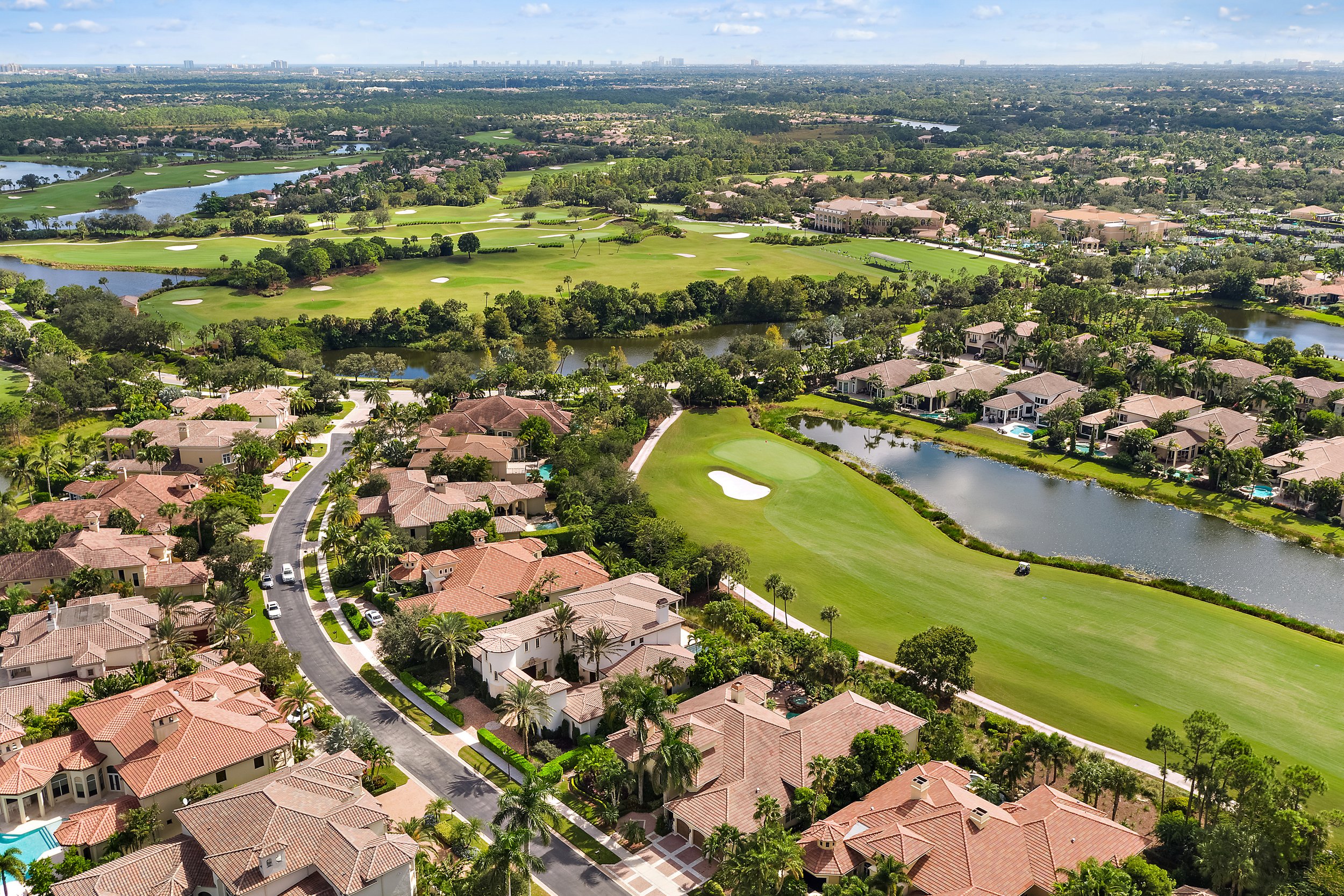
Florida voters approved Amendment 3 on November 3, 2026, introducing significant changes to the state’s property tax system. For current homeowners and those considering a move to Florida, the new rules could mean substantial property tax savings in the years ahead.
But there is an important distinction that anyone considering relocating to Florida should understand: Establishing permanent Florida residency before December 31, 2026, could determine when you become eligible for the expanded homestead exemption.
For buyers exploring Jupiter, Palm Beach Gardens, Tequesta, and the surrounding Northern Palm Beaches, understanding these changes now could make a meaningful difference in long-term financial planning.
Here's what Amendment 3 changes, how it could affect your property taxes, and what prospective Florida residents should consider before the end of the year.
What Does Florida’s Amendment 3 Change?
Amendment 3 expands Florida's homestead property tax exemption, which reduces the taxable value of a qualifying primary residence.
The amendment introduces several major changes:
2027: The homestead exemption increases to $150,000 of assessed value for non-school property taxes.
2028: The exemption increases further to $250,000.
2029 and beyond: The exemption amount receives annual inflation adjustments.
Non-homestead properties: The annual assessment increase cap is reduced from 10% to 5% for non-school taxes.
Effective date: January 1, 2027.
For context, the standard homestead exemption in 2026 is approximately $51,411 for non-school property taxes. The new $150,000 and $250,000 exemptions represent a substantial increase.
An important distinction: These exemptions reduce a property's taxable value, not the tax bill dollar for dollar. Property taxes supporting schools are not included in the expanded exemption, and homeowners will continue to pay applicable school district taxes.
Why December 31, 2026, Is Such an Important Deadline
One of the amendment's most consequential provisions involves the timing of Florida residency.
Under Amendment 3, individuals who have established permanent Florida residency by December 31, 2026, can qualify for the expanded homestead exemption without the new waiting period, provided they meet the applicable homestead requirements.
Those who establish permanent Florida residency on or after January 1, 2027, face a different timeline.
New Florida residents will initially receive a smaller homestead exemption and generally must reach their fifth year of qualifying for homestead before receiving the expanded benefit.
This is an important detail. The waiting period is tied to years of homestead exemption, not simply the number of years someone has lived in Florida.
For someone already contemplating a permanent move to Florida, the difference between establishing residency in December 2026 and January 2027 could affect several years of future property taxes.
Do You Have to Buy a Florida Home Before December 31, 2026?
Not necessarily.
The amendment distinguishes between establishing permanent residency and qualifying for a homestead exemption on a particular property.
An individual who genuinely establishes Florida as their permanent residence by December 31, 2026, may qualify for the larger exemption when they later purchase a Florida home and establish homestead.
In other words, purchasing a home before the end of 2026 is not necessarily required to avoid the new waiting period.
However, there is another deadline worth understanding.
To qualify for a Florida homestead exemption for the 2027 tax year, homeowners generally must own and occupy their qualifying primary residence as of January 1, 2027, and submit their application by March 1, 2027.
For buyers hoping to benefit from the new exemption on their 2027 property tax bill, securing their primary residence before year-end may therefore be especially relevant.
For others, establishing residency now while taking additional time to select the right home could be a more practical approach.
The best strategy will depend on your individual circumstances and should be reviewed with your tax and legal advisors.
How Much Could Florida Homeowners Save Under Amendment 3?
The potential savings are significant, but there is no single dollar amount that applies to every homeowner.
Your actual savings will depend on several factors, including:
Your property's assessed and taxable values
Your existing exemptions and Save Our Homes benefits
Local county, municipal, and special district tax rates
Whether the property qualifies as your primary residence
Changes to future millage rates and other assessments
Palm Beach County Homestead Calculator:
For homeowners in Northern Palm Beach County, the Palm Beach County Property Appraiser's Amendment 3 Calculator is a useful starting point for exploring potential impacts.
What About Second Homes, Investment Properties, and Commercial Real Estate?
Amendment 3 isn't exclusively relevant to primary residences.
Although the expanded homestead exemption is reserved for qualifying permanent residences, the amendment also changes assessment limits for non-homestead properties.
Beginning in 2027, the annual increase in assessed value for qualifying non-homestead properties will generally be capped at 5% instead of the previous 10%, for non-school tax purposes.
This includes many second homes, rental properties, and commercial properties.
For someone who owns a seasonal residence in Jupiter or a rental property in Palm Beach Gardens, the reduced assessment cap could help moderate future increases in taxable value.
However, a 5% assessment cap does not mean property taxes are reduced by 5% or that the tax bill cannot rise more than 5%.
Tax rates may change, school taxes are treated differently, and changes in ownership can trigger reassessment. Buyers should evaluate the estimated taxes based on their own purchase and ownership circumstances rather than relying on the seller's existing tax bill.
How Do You Establish Permanent Florida Residency Before December 31?
Establishing Florida residency is more involved than simply obtaining a Florida driver's license or purchasing property.
Florida considers permanent residency, or domicile, to be a factual question based on a person's genuine intention to make Florida their permanent home.
Depending on the circumstances, relevant steps and supporting documentation may include:
Obtaining a Florida driver's license or identification card
Registering to vote in Florida, if eligible
Registering vehicles in Florida
Filing a Declaration of Domicile with the appropriate county clerk
Establishing a permanent Florida residential address
Updating relevant financial, employment, and tax records
Documenting the termination of permanent residency in a previous state
No single document automatically establishes permanent residency. The circumstances must support an actual move and a genuine intention to make Florida your permanent home.
Individuals relocating from states with income taxes or particularly strict residency rules should consult qualified legal and tax professionals before making changes.
What Should Prospective Northern Palm Beach County Buyers Do Now?
If you've been considering making Florida your permanent residence, Amendment 3 adds an important financial consideration to your decision.
But choosing where to live deserves as much attention as deciding when to move.
Here are three practical steps worth taking now:
1. Speak with your attorney or tax advisor.
Determine whether establishing Florida residency before December 31 is appropriate for your circumstances and what documentation may be needed.
2. Begin exploring your Florida housing options.
The Northern Palm Beaches offer a wide range of lifestyles, from waterfront homes in Jupiter and Tequesta to private golf and country club communities in Palm Beach Gardens, along with oceanfront condominiums in Juno Beach and distinctive residential neighborhoods throughout North Palm Beach.
Understanding the differences between these communities will help you make a more informed purchasing decision.
3. Establish a realistic timeline.
If your goal is to qualify for a homestead exemption in 2027, the January 1 ownership and occupancy requirement makes the remaining weeks of 2026 particularly important.
If you plan to purchase later, establishing your permanent Florida residency before the December 31 cutoff may still offer meaningful long-term benefits, subject to the amendment's requirements.
Frequently Asked Questions About Florida Amendment 3
-
No. The amendment increases the homestead exemption for non-school property taxes but does not eliminate all property taxes. School district taxes and other applicable assessments remain.
-
Potentially, but simply owning a second home is not enough. You must satisfy the requirements for permanent Florida residency and establish a qualifying homestead. The timing of your residency and homestead eligibility matters.
-
Potentially, yes. The amendment's residency provisions do not require someone to own a Florida home by December 31, 2026, to be eligible for the expanded exemption after establishing a qualifying homestead later. Your permanent residency must be genuine and adequately supported.
-
You may still qualify for the standard homestead exemption on your primary residence, but the expanded exemption generally becomes available beginning with your fifth year of qualifying for homestead.
-
For eligible homeowners, the $150,000 exemption begins with the 2027 tax year. The larger $250,000 exemption begins in 2028. Actual bills will depend on the property, eligibility, tax rates, and implementation requirements.
Considering a Move to Jupiter or the Northern Palm Beaches?
Florida's newly approved property tax amendment creates another factor to consider when planning a permanent move to the state.
While the December 31 residency deadline deserves attention, a real estate purchase should still be guided by your lifestyle, priorities, financial goals, and long-term plans.
As a Jupiter-based Global Real Estate Advisor with ONE Sotheby's International Realty, I help buyers navigate the Northern Palm Beaches, including golf and country club communities, waterfront properties, and luxury residential neighborhoods.
If you're considering establishing a permanent home in Florida, I'd welcome the opportunity to help you evaluate your options, explore the communities that fit your lifestyle, and develop a realistic home-buying timeline.
Let's talk about your next move.
Call or text me at 561-400-5311.
Leland Rykse
Global Real Estate Advisor
ONE Sotheby's International Realty
Locally Known. Globally Connected.
This article reflects information available as of November 4, 2026, and is intended for general informational purposes only. Amendment 3 may require further implementing legislation or administrative guidance. It does not constitute tax or legal advice. Consult qualified professionals regarding residency, homestead eligibility, property taxes, and your individual circumstances.
