What it does for your sale, and where to start
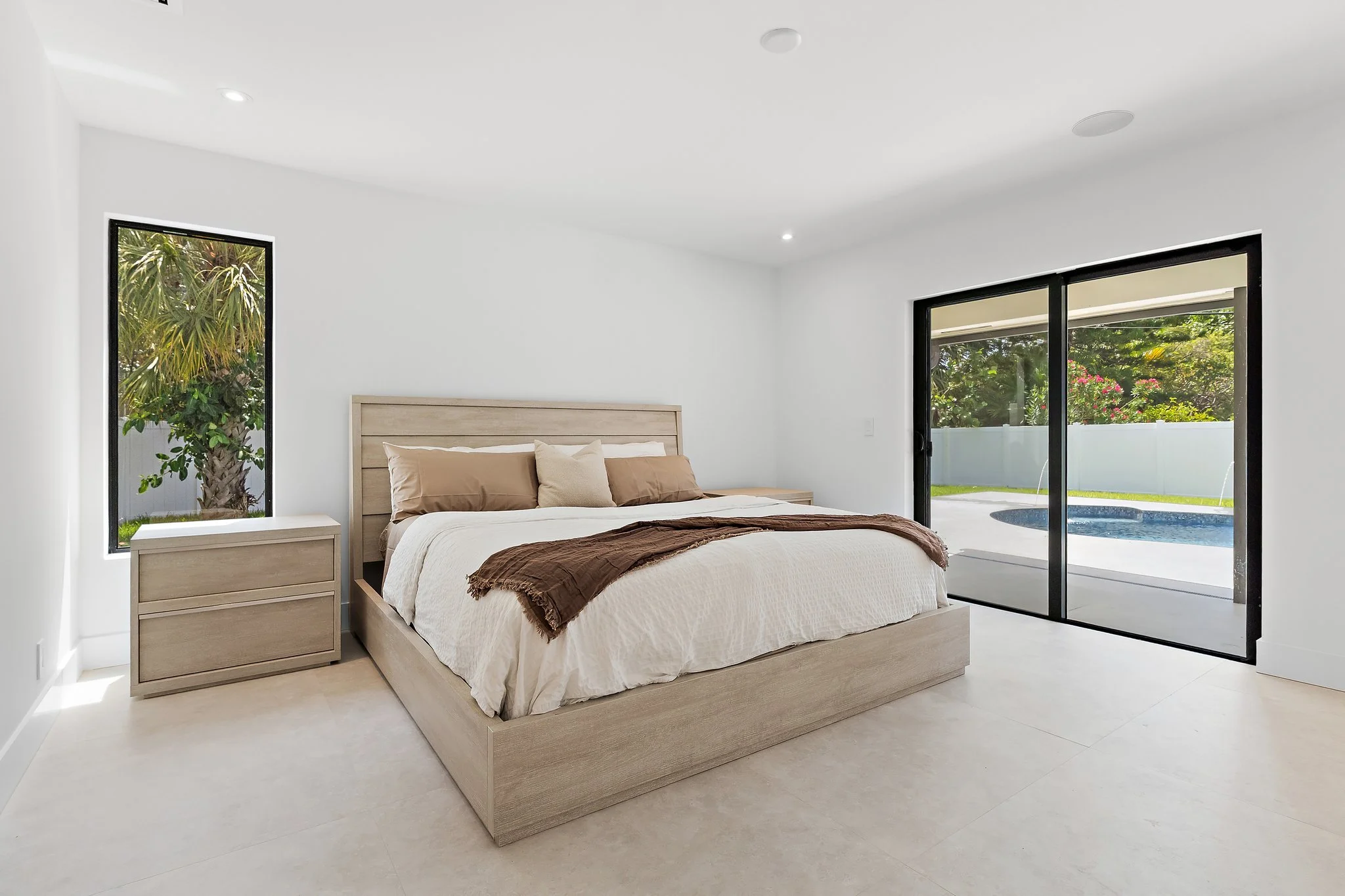
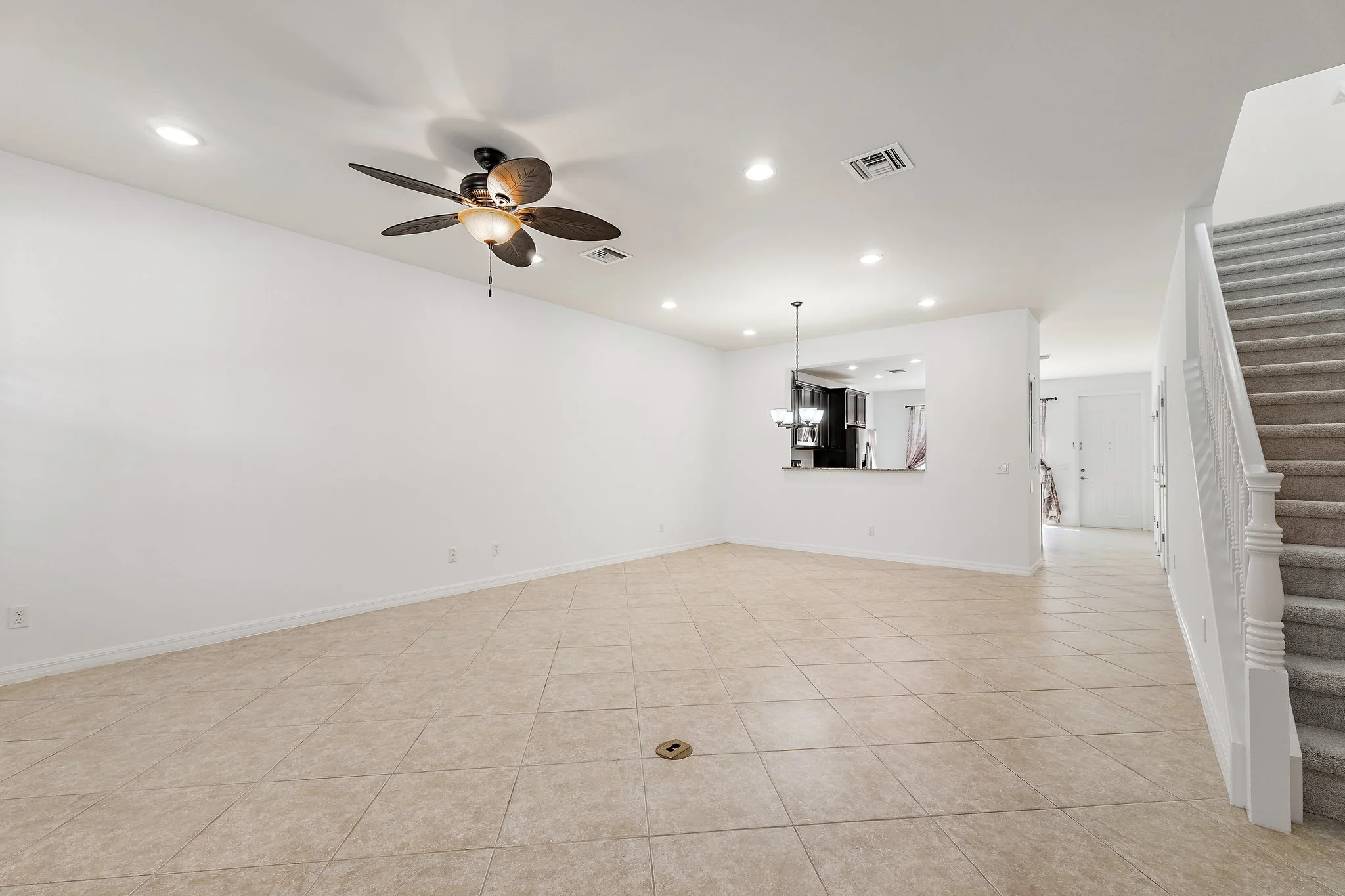
Picture two similar residences on the same street. One is empty, and its rooms read a little smaller than they are. The other has a sofa angled toward the view, a table set on the lanai, and a primary suite that looks ready to unwind in. The buyers scrolling online decide in moments which one to tour.
That is the quiet power of home staging. It is not decoration for its own sake. It helps a buyer picture a life in the home, and industry research suggests that picture can show up in the offer.
What the Research Says About Home Staging
The National Association of REALTORS® surveyed more than 1,200 agents for its 2025 Profile of Home Staging. Here is what they reported:
83% of buyers’ agents said staging made it easier for a buyer to envision the property as their future home. nar
29% of sellers’ agents said staging led to a 1% to 10% increase in the dollar value offered. nar
49% of sellers’ agents said staging reduced the time a home spent on the market. nar
A few honest caveats: These figures reflect agent experiences rather than a tightly controlled study, and they are national, not specific to South Florida luxury. Not every agent saw a lift: 12% of buyers’ agents said staging had no effect on buyers’ views. nar
Still, the math is worth a look. On a $3 million residence, a 1% difference is $30,000. That is an illustration, not a promise, and staging costs vary with the size of the home. But it shows why the conversation is worth having, especially as nearly half of agents said buyers expect homes to look as though they were staged for television. nar
Real Staging vs. Virtual Staging
Virtual staging and real staging solve different problems. Virtual staging wins the scroll. Real staging wins the showing.
Buyers experience a home with more than their eyes. A photo shows furniture. A showing lets a buyer sit in the chair, feel the width of the hallway and watch the afternoon light cross the room. One staging professional notes that traditional staging, done well, makes spaces appear larger and more valuable, puts the emphasis on the architecture and shows buyers how their own furnishings will fit. That sense of scale is difficult for any image to deliver. nar
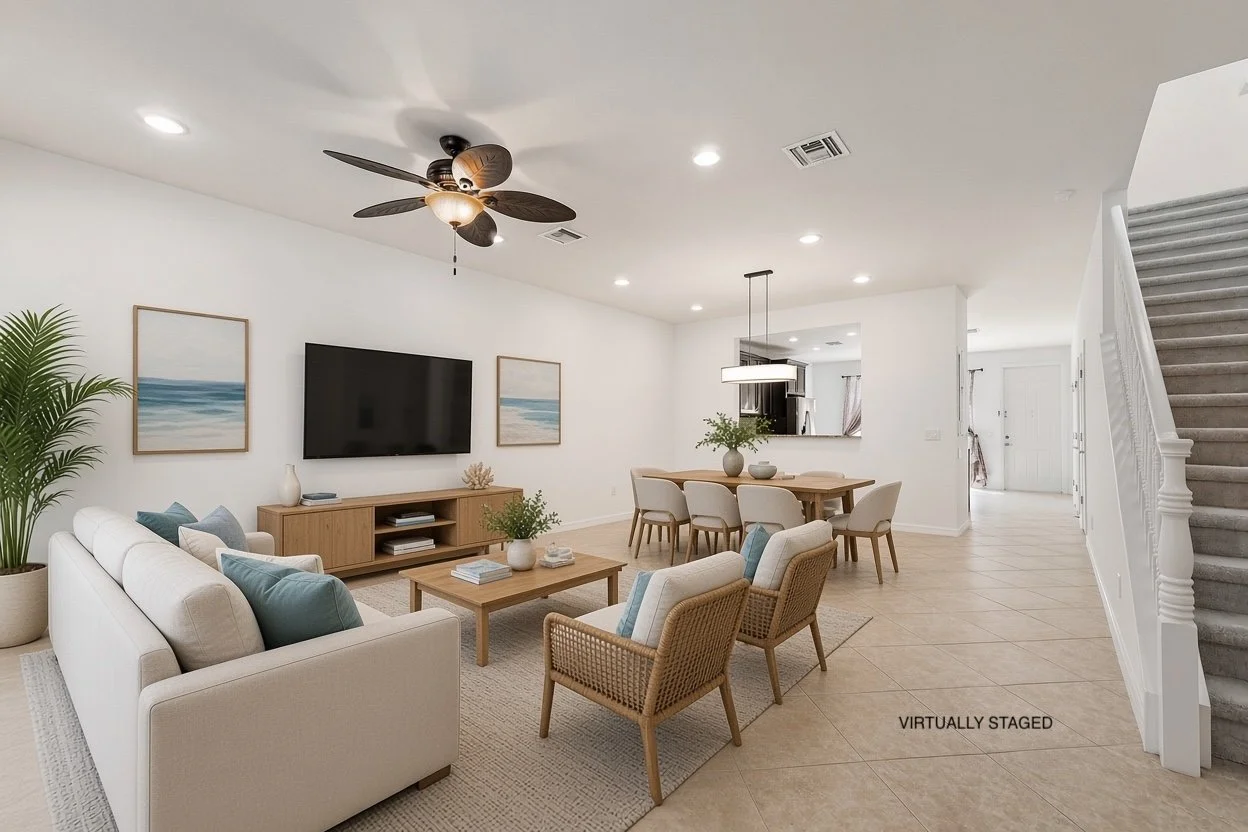
Real staging closes the gap between the screen and the front door. Virtually staged furniture exists only in the photos. Some digital versions are persuasive enough that buyers who later walk in are disappointed to find empty rooms. Easels with the virtually staged photos in each room can soften that moment. A residence that is furnished and styled in person delivers what the online photos promised. narboston
It matters most at the top of the market. Agents quoted by AOL’s Real Simple coverage say physical furnishings can enhance perceived value and create emotional connections, especially in luxury markets. A higher price point raises the bar for what buyers expect to feel when they walk through the door. aol
Some buyers need to see it in person. One interior designer noted that many older buyers want to see rooms and furnishings in person to judge what works. A furnished room shows how a large foyer might serve as a gallery or how a loft might become a library, and a rendering may not make the same case. nar
Agents see the difference too. In NAR’s 2025 survey, 57% of buyers’ agents said traditional physical staging was highly important to their clients. Among sellers’ agents, 43% rated physical staging as much more or more important, while 34% considered virtual staging less important. nar
Where virtual staging still earns its place. Virtual staging is fast, costs far less and works well for drawing buyers to a property online. It is most effective for generating initial interest and scheduling showings. For a vacant residence, the strongest approach is often both: physical staging in the living room, primary suite and kitchen, with virtual staging used selectively elsewhere and labeled clearly.
Which Rooms to Stage for the Greatest Impact
Buyers’ agents ranked the living room first (37%), the primary bedroom second (34%) and the kitchen third (23%). The guest bedroom came last at 7%. Sellers’ agents largely act on this, staging the living room 91% of the time and the primary bedroom 83%, followed by the dining room (69%) and the kitchen (68%). nar
Here is how that translates into a priority list:
Living room. This is where buyers decide whether the home feels welcoming. Define the seating area, keep the view clear and let the room feel generous.
Primary suite. Think serene and uncluttered. Crisp linens, calm color and clear surfaces tell buyers this is a retreat.
Kitchen. Less is more. Clear the counters, add one or two considered touches and let the finishes speak.
Dining area and outdoor spaces. Here in Northern Palm Beach County, the lanai, pool deck and dock are living space. Give them the same attention as any room inside.
Guest and children’s bedrooms can wait. Only 22% of sellers’ agents staged them. nar
Start With the Fundamentals
Staging works best on a clean canvas. Agents most often recommended decluttering (91%), cleaning the entire home (88%) and improving curb appeal (77%). Handle those first, and staging has something to build on. nar
Your Next Step
Every residence is different, and so is the right staging plan. If you are thinking about selling, let’s walk through your home together and decide where a little preparation will matter most.
